Counseling services
or call 757.503.2819
Relationships take effort. When communication breaks down or when trust has been damaged, it can feel like the connection you once had is out of reach. Couples counseling provides a structured space for both partners to be heard, to examine what is happening between them and to decide how they want to move forward.
At Artisan Counseling, couples counseling is not about choosing sides. Our licensed counselors work with both partners to identify patterns, strengthen communication and build a foundation that supports the relationship you want.
Looking for a counselor close to home? See couples counseling at our Newport News office or our Suffolk office.
Couples come to therapy at different stages. Some are dealing with a specific event. Others have noticed a gradual shift in how they relate to each other. And some want to strengthen a relationship that is already functioning but could benefit from more intentional communication.
You may consider couples counseling if:
There is no requirement for the relationship to be at a breaking point before you start. Many couples find that earlier intervention leads to better outcomes.
Monday – Saturday During Office Hours (Evening Sessions are limited)
* In-person and Telehealth Sessions
This site is protected by reCAPTCHA and the Google Privacy Policy and Terms of Service apply.
*If you are having a mental health emergency, please proceed to your nearest emergency room, contact 988 or medical services at 911.
Every relationship has its own history and dynamics. Some of the issues most frequently addressed in couples counseling include:
Communication breakdowns. When partners stop being able to talk to each other without defensiveness, avoidance or contempt, the relationship suffers. Couples counseling helps you develop new ways to express what you need and to listen to your partner.
Trust & betrayal. Infidelity, financial dishonesty, hidden behaviors and broken promises all affect the stability of a relationship. Rebuilding trust requires time, consistency and a willingness from both partners to engage in the repair process.
Conflict patterns. Many couples fall into the same argument over and over. The topic may change, but the dynamic stays the same. Therapy helps you recognize these cycles and interrupt them.
Emotional disconnection. Sometimes partners drift apart gradually. The daily demands of work, parenting and responsibilities take priority, and the emotional bond weakens. Counseling creates space to reconnect.
Parenting disagreements. Differences in parenting styles, discipline and expectations can create tension. Therapy helps you align as a team.
Intimacy concerns. Changes in physical or emotional closeness can be a source of frustration, confusion or hurt. Your counselor can help you talk about these changes without blame.
Life transitions. Major changes, including job loss, relocation, health concerns and family dynamics, put pressure on relationships. Therapy supports both partners in adapting together.
Couples counseling follows a general structure, though the specifics depend on your counselor’s approach and what you are working on together.
Assessment. In the first one to three sessions, your counselor will meet with both of you together and may also schedule brief sessions with each partner individually. This helps your counselor understand each person’s perspective and the history of the relationship.
Goal setting. Based on what comes out of the assessment, you and your counselor will identify what you want to work on. This could include improving communication, processing a specific event, rebuilding trust or making a decision about the future of the relationship.
Ongoing sessions. Sessions are typically 50 to 60 minutes and take place weekly or biweekly. Your counselor will guide the conversation, helping both of you stay focused and ensuring that each person has the opportunity to speak. You may be asked to try new behaviors or communication strategies between sessions.
Progress review. Your counselor will check in regularly to assess how the process is going. Treatment goals can be adjusted as needed.
Couples counseling works best when both partners are willing to participate and engage honestly. Your counselor is not a judge or referee. Their role is to facilitate a process that gives both of you the tools to make informed decisions about your relationship.
Our counselors draw from evidence-supported methods when working with couples. The approach used will depend on the concerns you bring to therapy and what your counselor determines may be most helpful.
Some of the methods used in couples counseling include:
Gottman Method. Based on decades of research on what makes relationships succeed and fail, this approach focuses on building friendship, managing conflict and creating shared meaning. It gives couples concrete tools to use at home.
Emotionally Focused Therapy (EFT). EFT helps couples identify the emotional patterns underneath their conflicts. By getting to know the attachment needs driving behavior, partners can begin to respond to each other differently.
EMDR for betrayal trauma. When trust has been broken, the impact can feel similar to trauma. EMDR may be used to help one or both partners process the emotional weight of betrayal, reducing reactivity and supporting the repair process.
Communication-focused interventions. Many couples benefit from structured exercises designed to improve listening, validation and assertiveness. These are often woven into the therapy process regardless of the primary approach.
Many couples who engage in therapy report that they:
Research published in the Journal of Marital and Family Therapy found that couples therapy produces measurable improvements in relationship satisfaction for a majority of participants. Outcomes depend on a number of factors, including the willingness of both partners to participate.
Marriage counseling and couples counseling use the same skills and approaches. Married partners often come in to work through conflict that keeps repeating, a loss of closeness, an affair, parenting stress or a major change such as a move, a new baby or retirement. Your counselor works with both of you on communication, trust and shared goals, and helps you make clear decisions about the future of your marriage. Read more about marriage counseling vs. couples therapy.
Marriage counseling is available at our Newport News office, our Suffolk office and by telehealth anywhere in Virginia.
An affair or another betrayal can leave both partners shaken, angry and unsure what comes next. Couples counseling gives you a structured, safe way to talk about what happened, understand how the relationship reached this point and decide together whether and how to rebuild trust.
When the hurt feels traumatic, EMDR may be used alongside couples work. Learn about infidelity and affair recovery counseling.
Your counselor
Couples counselors at our Newport News and Suffolk offices. Not sure who to choose? Our intake team will help match you.
 Dr. Ben NewmanPhD, LPC, CSAC · He/HimNewport News · Suffolk · Telehealth
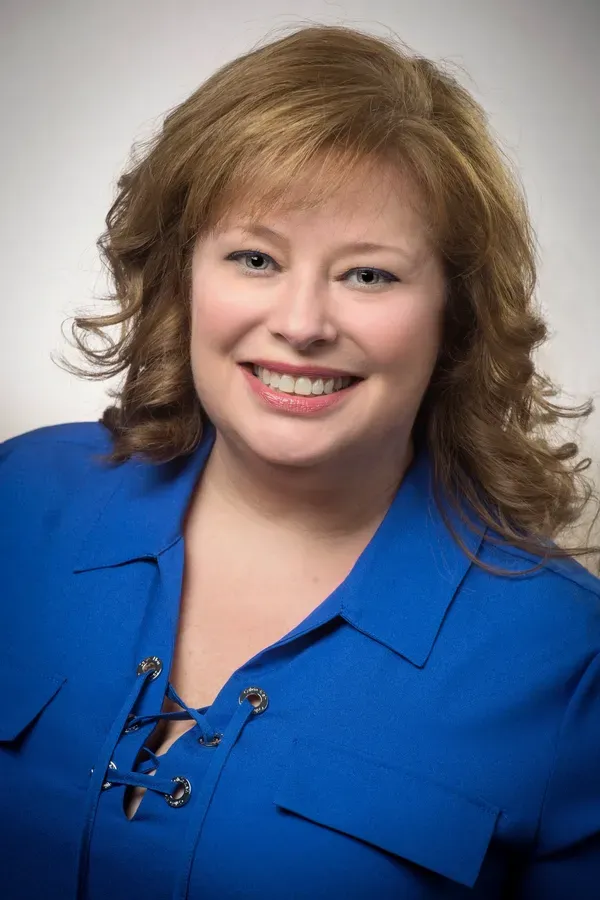 Michele HaynamLPC, NCC, CSAC, CSOTPNewport News · Suffolk · Telehealth
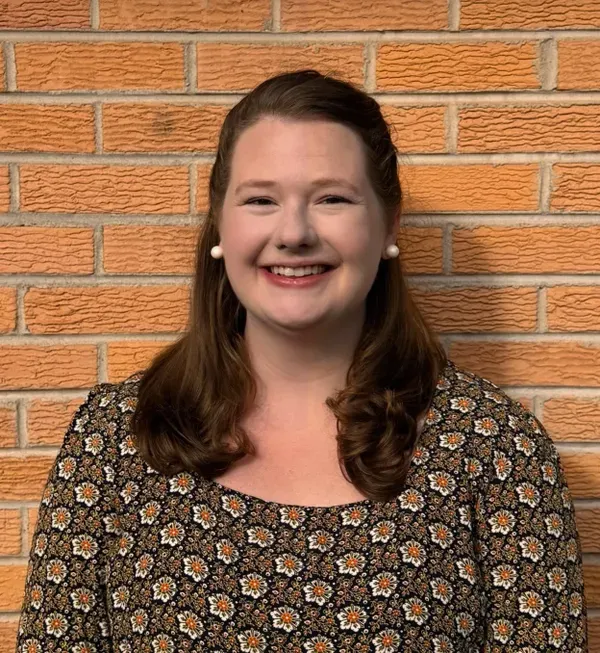 Abby BrundageLCSW, CCTPNewport News · Suffolk · Telehealth
 Megan AlfordLPC, ATR-BC · She/HerSuffolk · Telehealth
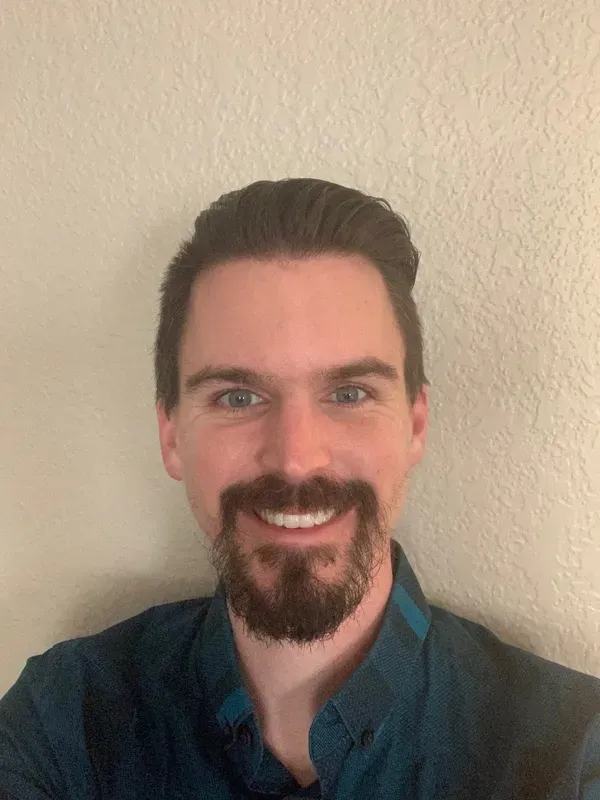 David FurlongLPC · He/HimNewport News · Telehealth
 Alex ChirilaResident in Counseling · He/HimNewport News · Telehealth
In network with Aetna, Anthem, Sentara, UnitedHealthcare and several Virginia Medicaid plans.
Not sure about your plan? Call 757.503.2819 and we can help you check. Self-pay is also available.
Insurance and paymentMonday–Thursday 7:00 am–9:00 pm
Friday 7:00 am–5:00 pm
Saturday 7:00 am–2:00 pm
Evening and Saturday appointments are available with some counselors, and evening times are limited.
Request an appointmentIn most cases, yes. Couples counseling is most effective when both partners are consistently present. There may be occasions when your counselor schedules an individual session with one or both partners, but the primary work happens together.
You are welcome to start individual counseling to work on the relationship from your perspective. Sometimes one partner beginning the process encourages the other to join later.
No. Your counselor’s role is to support the relationship, not to assign blame. Both partners will have equal space to speak and be heard.
This depends on the concerns you are working on and how consistently you attend. Some couples see some improvements within 8 to 12 sessions. Others may continue longer, especially when processing trauma or rebuilding trust.
Therapy does not guarantee any outcome. What it can do is give both of you a clearer understanding of what is happening in the relationship and the tools to make thoughtful decisions about how to proceed.
Some couples use therapy to support a respectful separation. Your counselor can help you communicate through that process, especially when children are involved.
Yes, with the same legal exceptions that apply to all therapy. Your counselor will explain the limits of confidentiality at the start of treatment.
It depends on your plan. We are in network with Aetna, Anthem, Sentara, UnitedHealthcare and several Virginia Medicaid plans, but coverage for couples counseling varies. Call 757.503.2819 and we can help you check your benefits. Self-pay is also available.
Evening and Saturday appointments are available with some counselors, and evening times are limited. Tell us your preferred time when you request an appointment and we will do our best to match it.
Yes. Sessions can take place on a secure video platform as long as both partners are in Virginia at the time of the session.
What happens in the first couples counseling session
Does insurance cover couples therapy?
Couples counseling vs. individual therapy
How to rebuild trust after infidelity
When should couples seek counseling?
Can couples counseling save a relationship?
How to stop arguing about the same things
Why communication breaks down in relationships
Emotional neglect in relationships
How to recognize emotional manipulation
What makes relationships emotionally safe
If you and your partner are ready to begin, contact our office at 757.503.2819 or use the form on our Contact page to request an appointment. Let us know if you have a preference for a specific counselor, and we will do our best to match you with someone who fits your needs.
You do not need to have everything figured out before you call. Starting is enough.
Reach out when you feel ready. We will help you find a counselor who fits your needs, in person in Newport News or Suffolk, or through Telehealth.
In crisis? Call or text 988, or call 911 in an emergency.