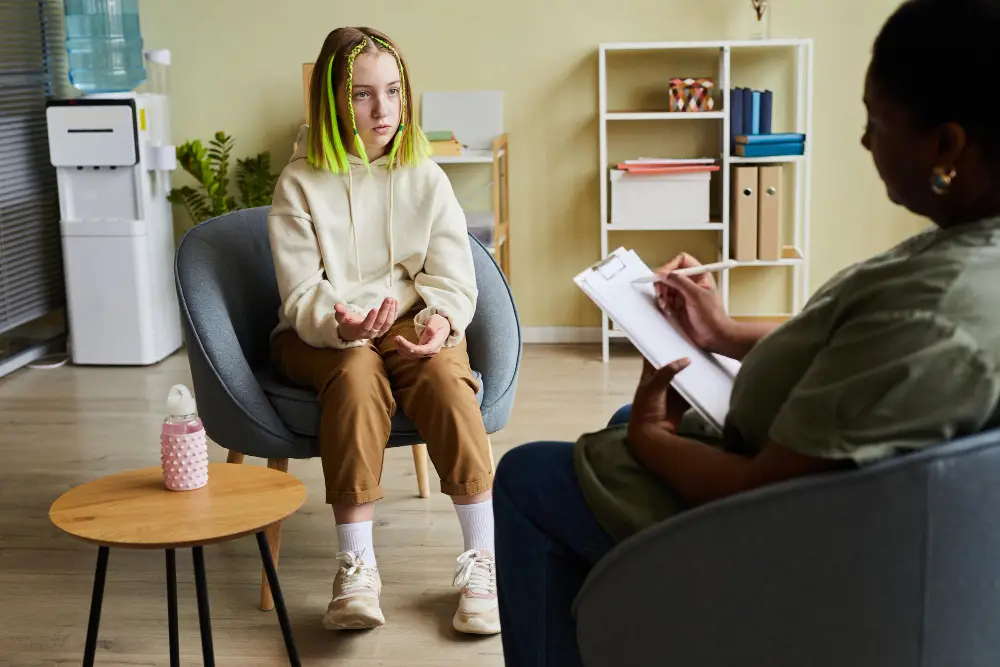
Art therapy is a clinical form of mental health treatment that uses creative expression to process emotions, reduce stress, and work through difficult experiences.
It is facilitated by a trained, credentialed counselor — not a craft instructor.
At Artisan Counseling, art therapy is available for children, adolescents, and adults at our offices in Newport News and Suffolk, VA.
How Art Therapy Works
Art therapy uses drawing, painting, sculpture, collage, and other media as tools for emotional exploration.
Key principles:
- The creative process itself is healing
- You do not need artistic skill
- The focus is on what emerges, not how it looks
- The counselor guides reflection and meaning-making
What makes art therapy different from doing art on your own is the therapeutic relationship. Your art counselor is trained in both psychology and visual arts.
Learn more: Art Therapy at Artisan Counseling
Who Benefits from Art Therapy?
Art therapy works across:
- Children — who lack vocabulary for complex emotions
- Adolescents — who resist traditional talk therapy
- Adults — processing trauma, grief, anxiety, or life transitions
- Older adults — dealing with isolation, cognitive decline, or loss
Settings Where Art Therapy Is Used
- Private practices
- Schools
- Hospitals
- Rehabilitation centers
- Community mental health programs
What Happens in an Art Therapy Session?
Sessions typically last 50–60 minutes.
A session may include:
- Check-in about how you’ve been feeling
- Creative activity connected to your goals
- Reflection on the process and what emerged
Activities range from open-ended (“create something that reflects how you feel”) to structured (life timelines, emotion masks, body maps).
You won’t be graded or judged. Stick figures, abstract marks, and torn paper are all welcome.
Art Therapy and Trauma
Traumatic memories are often stored in nonverbal parts of the brain. This is why some people struggle to talk about what happened, even years later.
Art therapy offers:
- A nonverbal pathway to process traumatic material
- Distance between the person and the memory
- Gradual, paced processing that avoids overwhelm
Art therapy is frequently used alongside:
Research published in the Journal of the American Art Therapy Association shows art therapy reduces cortisol levels and PTSD symptoms.
(Source: https://www.arttherapy.org)
Common Misconceptions
| Myth | Reality |
| You need to be artistic | No skill required |
| It’s only for kids | Equally effective for adults |
| It’s the same as a paint night | It’s clinical therapy, not recreation |
| The art is analyzed like a test | The counselor collaborates with you on meaning |
How to Know If Art Therapy Is Right for You
Consider art therapy if:
- Talk therapy feels like it’s hit a wall
- You process things visually or physically
- Sitting and talking feels uncomfortable
- You want a creative outlet within a clinical framework
Contact Artisan Counseling to learn more about art therapy options in Newport News or Suffolk.